S U M M A R Y :
What is traditional Filipino clothing?
The Barong Tagalog, more commonly known as simply Barong , is an embroidered formal shirt and considered the national dress of the Philippines. Barong and Baro’t Saya are traditionally made up of piña, although some experimental styles also exist.
The culture of the Philippines comprises a blend of traditional Filipino and Spanish Catholic traditions, with influences from America and other parts of Asia. Filipinos are also hospitable people who love to have a good time. This often includes getting together to sing, dance, and eat.
- Barong Tagalog
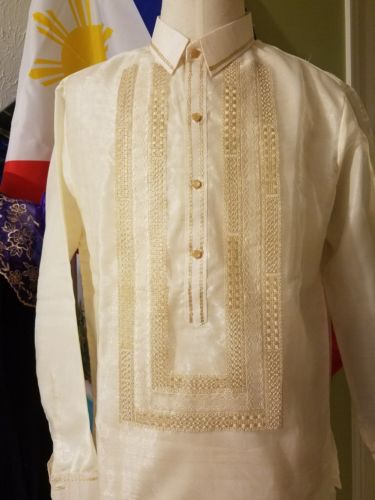
The Barong Tagalog is an embroidered formal shirt and considered the national dress of the Philippines. It is lightweight and worn untucked over an undershirt. Barong Tagalog was popularized as formal wear by President Ramón Magsaysay, who wore it in most private and state functions, including his own inauguration.
2. Saro’t Saya
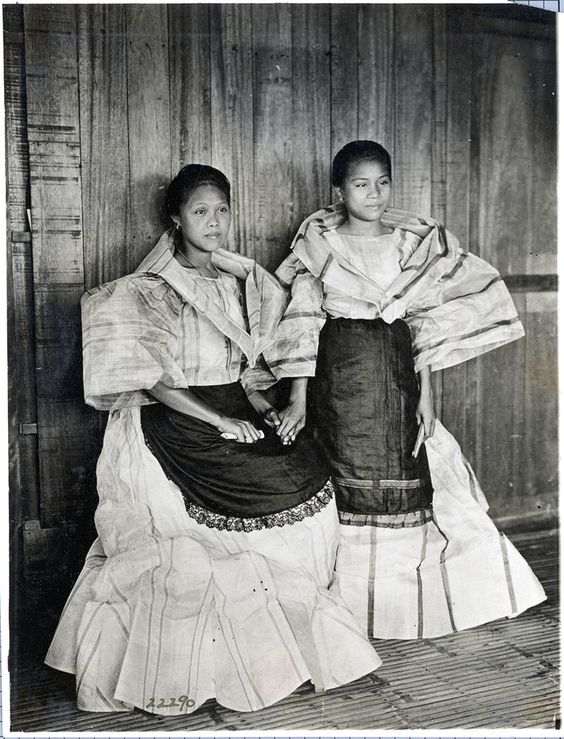
It is the national dress of the Philippines, the Barong being its masculine equivalent. Both are all traditionally made of piña though other materials that are not piña are also used in some Baro’t saya and Barong. The Baro’t Saya was made from silk in matching colours, this style was exclusively worn by the women from the upper caste, while those of lower castes wore it made from pounded white bark fibre.
3. Filipiniana
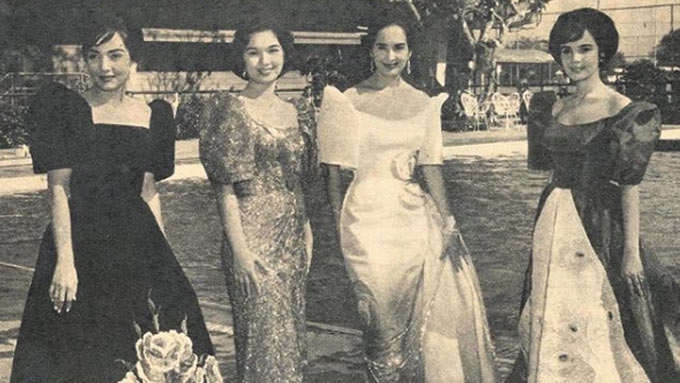
Filipiniana is also defined as publications dealing with the Philippines in whatever language they may be written and place where they may have been printed. Filipiniana could also be materials published by Filipinos encompassing any subject matter regardless of the imprint of the publication.
4. Tapis
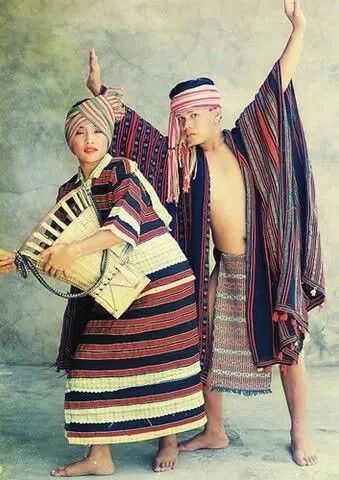
Tapis may generally refer to a single rectangular piece of cloth one wraps around oneself as clothing, but usually specifically applies to a colorful hand-woven wraparound skirt which was commonly used by women throughout the Philippines before the arrival of Spanish colonizers, and which is still used today as part of the Maria Clara gown and also by some indigenous tribes.
R E F E R E N C E / S:
- Wikipedia
 Style me, Nicole