Blog Feed

Types of Gowns for Different Body Shapes

S U M M A R Y:

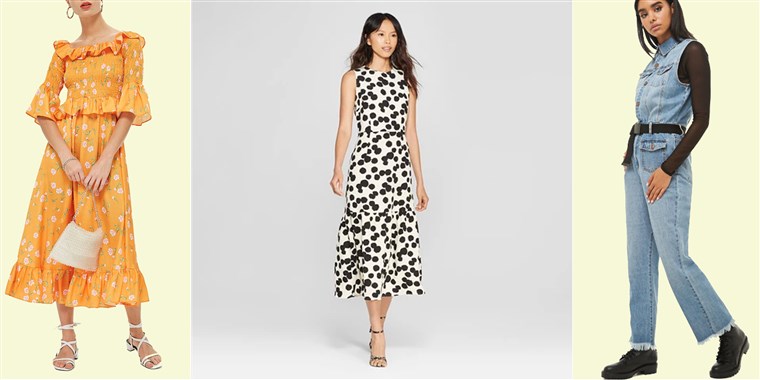
An important occasion is lined up and you are stuck in an outfit dilemma – what to wear, and what style is gonna suit your body shape? Gowns are a must-have in every woman’s wardrobe. Gowns come with so many options – embellishments, different colors, and fabrics. They’re perfect option to wear for different occasions like weddings, parties and black tie events. And did you know that there are different kinds of gowns for different body shapes? To help you select the perfect one which suits your body style, we’ve created this list of different types of gowns. 

1. Ball Gowns

From Cinderella to modern day fashionistas, this gown is certainly a timeless favorite. It’s the most amazing attire. Ball gowns are dresses with a fitted bodice, which flair at the waist with a floor touching skirt. Ideal for most body types but looks great on pears, since it hides the lower body.

2. Mermaid Gowns
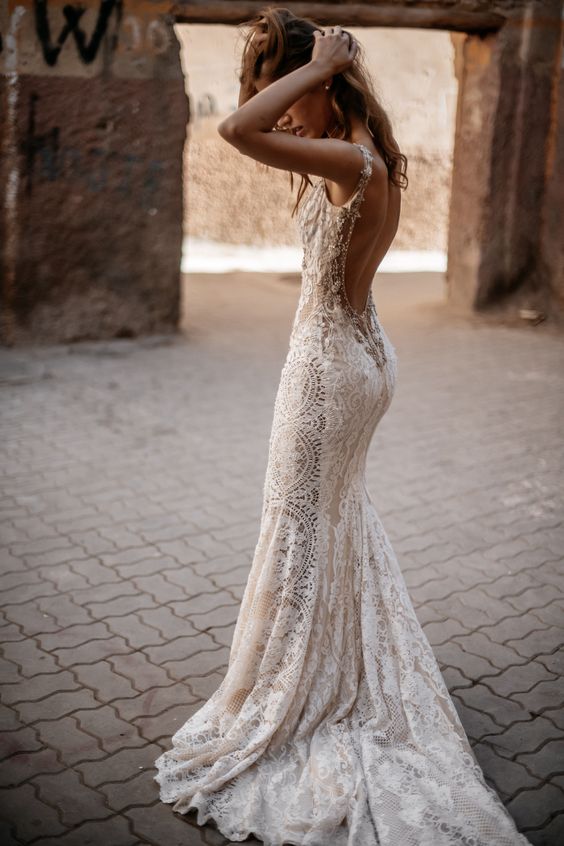
Mermaid gown style is fitted till the knee or calves, and then tapers to become a full skirt or trail. This style looks extremely elegant with a low cut back that emphasizes the figure and the curvature of the back and hips. 

3. Empire Waist Gowns
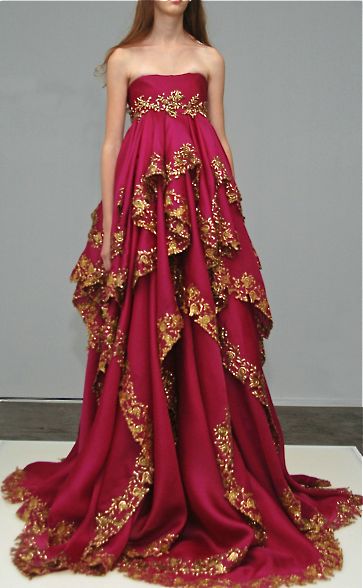
Empire-waist dresses are extremely trendy and give a royal look. Empire-waist gowns have a high waistline, just below the breasts. They completely hide the tummy, and work great for diamond and pear-shaped women. Even pregnant women prefer this style. 

4. Trumpet Gowns

This style is fitted through the body, and flares at thighs. Great option for women who have small waist, such as hour-glass and petites. Not a good option for pear-shaped bodies. 

5.

This style of gown has a straight silhouette. It goes straight down from the hip to the hem with little or no flare. Sometimes a slight flare is added, tapering at the heels to become a long trail.

R E F E R E N C E / S:

  • Pinterest
  • Wikipedia

Tips to be More Stylish

S U M M A R Y :

Look for staples first. The first tip to building your wardrobe is to make sure you have enough basics to serve a variety of different outfits and you should aim for a polished yet relaxed look with garments that are elegant and comfortable. Always remember that Cleanliness matters a lot.

1. Don’t buy something for just one occasion.

We’re all guilty of it. A wedding, a Christmas party, a Friday night with old friends. Heading somewhere exciting means we inevitably feel like we need something special and therefore something new to wear.

2. When you buy something, get rid of something else.

to keep your wardrobe at a sensible size is to adopt the one-in, one-out rule: every time you add something new, take a piece out .

3. Don’t buy or keep something that doesn’t suit you.

many of us keep pieces that we know don’t suit us. Often we’ve bought something on a whim because it’s a big trend or because we saw someone else wearing it and thought they looked amazing.

Philippine Cultural Fashion for Men and Women

S U M M A R Y :

What is traditional Filipino clothing?
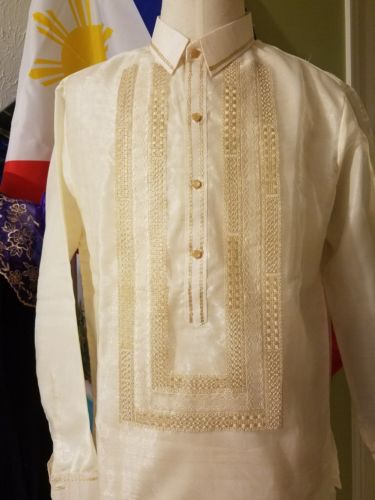
The Barong Tagalog, more commonly known as simply Barong , is an embroidered formal shirt and considered the national dress of the Philippines. Barong and Baro’t Saya are traditionally made up of piña, although some experimental styles also exist.

The culture of the Philippines comprises a blend of traditional Filipino and Spanish Catholic traditions, with influences from America and other parts of Asia. Filipinos are also hospitable people who love to have a good time. This often includes getting together to sing, dance, and eat.

  1. Barong Tagalog

The Barong Tagalog is an embroidered formal shirt and considered the national dress of the Philippines. It is lightweight and worn untucked over an undershirt. Barong Tagalog was popularized as formal wear by President Ramón Magsaysay, who wore it in most private and state functions, including his own inauguration.

2. Saro’t Saya

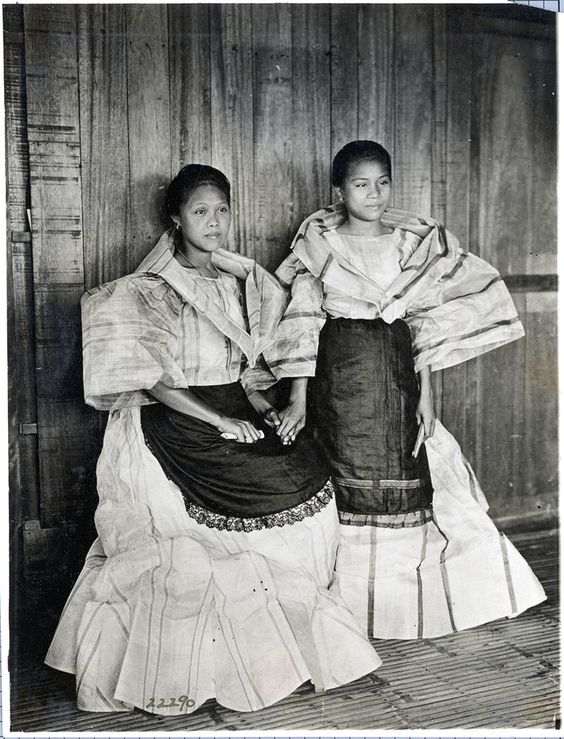
It is the national dress of the Philippines, the Barong being its masculine equivalent. Both are all traditionally made of piña though other materials that are not piña are also used in some Baro’t saya and Barong. The Baro’t Saya was made from silk in matching colours, this style was exclusively worn by the women from the upper caste, while those of lower castes wore it made from pounded white bark fibre.

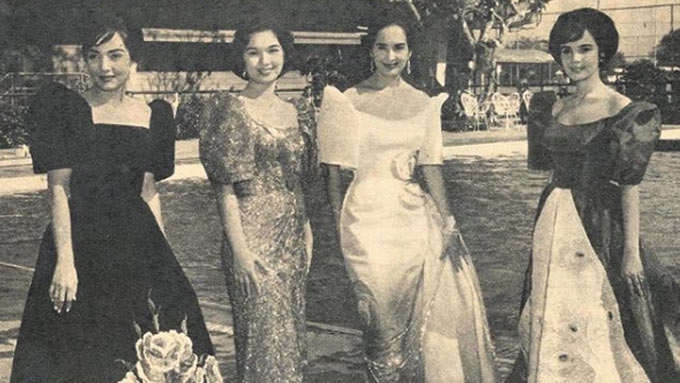
3. Filipiniana

Filipiniana is also defined as publications dealing with the Philippines in whatever language they may be written and place where they may have been printed. Filipiniana could also be materials published by Filipinos encompassing any subject matter regardless of the imprint of the publication.

4. Tapis

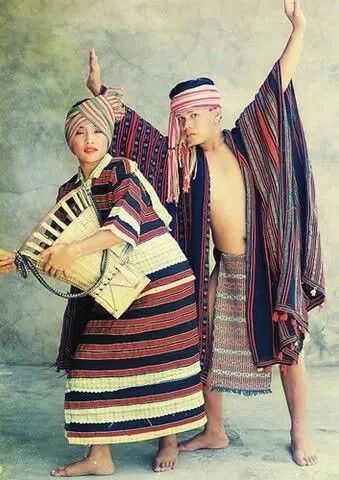
Tapis may generally refer to a single rectangular piece of cloth one wraps around oneself as clothing, but usually specifically applies to a colorful hand-woven wraparound skirt which was commonly used by women throughout the Philippines before the arrival of Spanish colonizers, and which is still used today as part of the Maria Clara gown and also by some indigenous tribes.

R E F E R E N C E / S:

  • Pinterest
  • Wikipedia

How to Save Money on Clothes but Still Fashionable

Saving is difficult for many people because it involves decreasing current consumption and investing in a future standard of living and because we can’t predict the future. Saving money can help you become financially secure and provide a safety net in case of an emergency.

S U M M A R Y :

Sometimes the hardest thing about saving money is just getting started. This step-by-step guide for how to save money can help you develop a simple and realistic strategy, so you can save for all your short- and long-term savings goals.

  1. Sell what you don’t wear

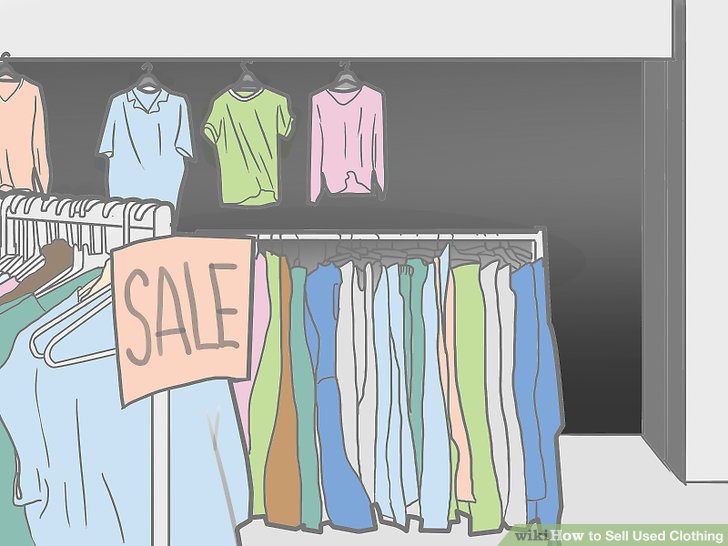
If your unwanted clothing is in great condition and you could use the money, selling your clothing is always an option! You might want to try using Facebook buy/swap/sell groups or visiting a local second-hand store.

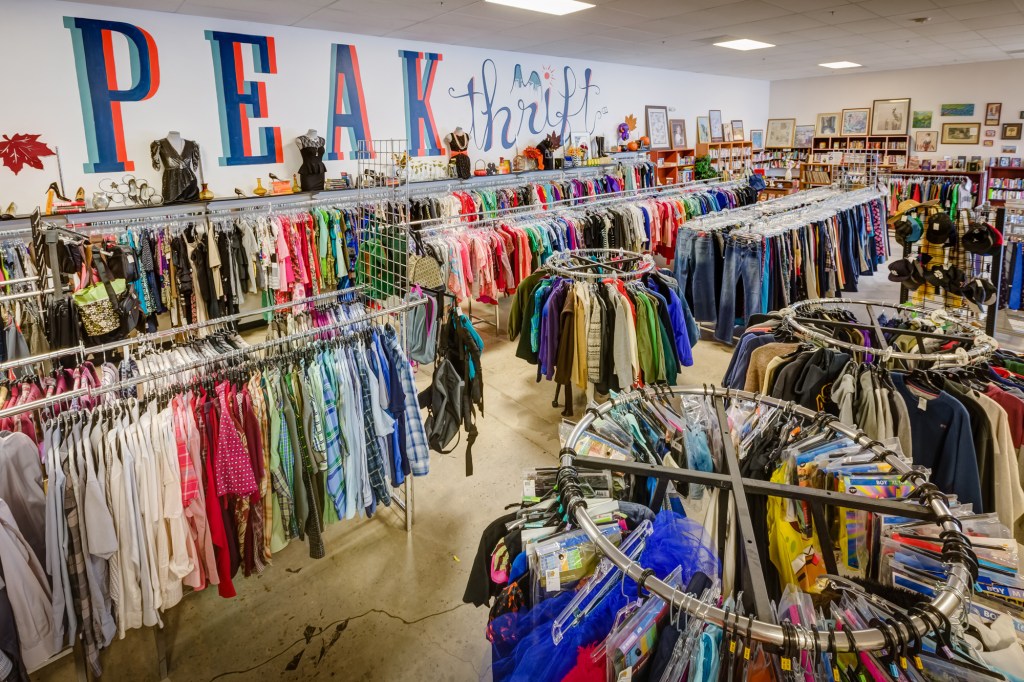
2. Shop on thrift stores

A typical thrift shop will have a large section for clothing such as casual wear, business outfits and children’s clothing. Other sections may include household items, appliances, books, toys, furniture and baby items such as strollers and second-hand clothes are less likely to end up in landfills.

3. Take care of your clothes

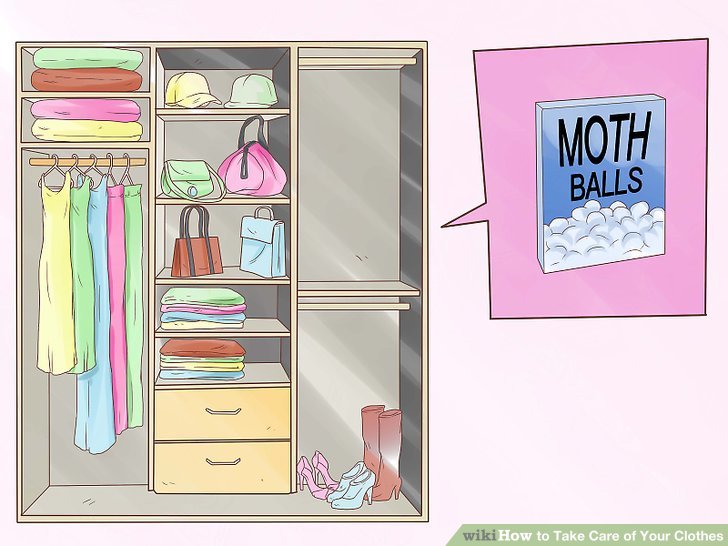
Taking care of your clothes will make you look better, help them last longer, and save you a ton of money when compared to buying new ones. Proper methods of cleaning, drying, and storing your clothes will both extend their life and make them look better.

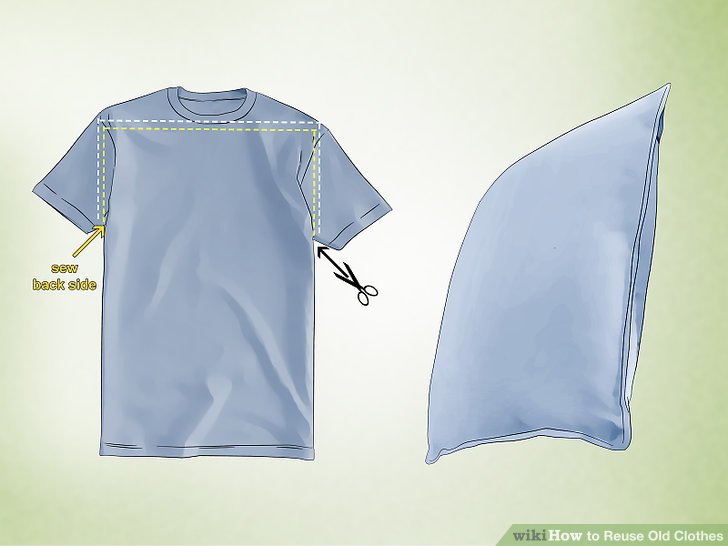
4. Repurpose old clothes

Because it conserves energy and it takes a lot of energy to produce clothing; every item goes through a complex manufacturing process that uses an extraordinary amount of electricity and water. By recycling clothes when they are no longer wanted, you ensure that all that energy doesn’t simply go to waste

R E F E R E N C E / S :

Fashion Trends for Young Women – Old and New

SUMMARY:

A popular aesthetic expression in a certain time and context, especially in clothing, footwear, lifestyle, accessories, makeup, hairstyle and body proportions Whereas, a trend often connotes a very specific aesthetic expression, and often lasting shorter than a season, fashion is a distinctive and industry-supported expression traditionally tied to the fashion season and collections.

Retro Fashion:

a style that is consciously derivative or imitative of trends, modes, fashions, or attitudes of the recent past. It generally implies a vintage of at least fifteen or twenty years. For example, clothing from the 1980’s or 1990’s could be retro

Minimalist fashion:

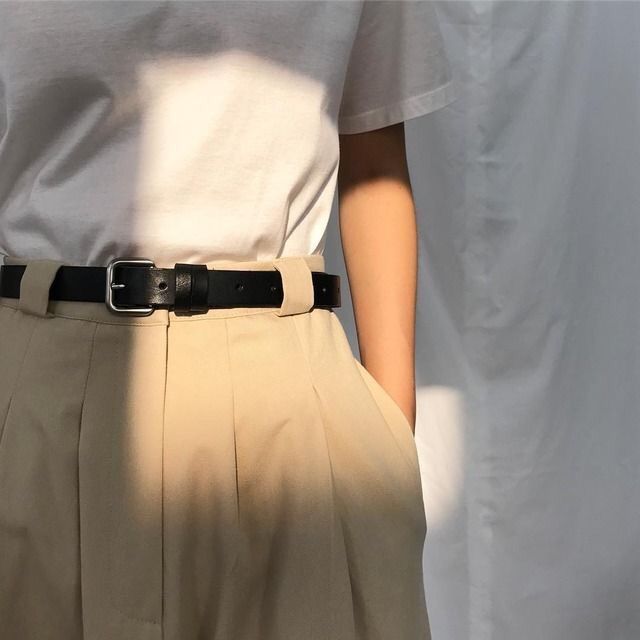
is defined by one major principle: keep it simple! Streamlined shapes, a small selection of colors and even a bare minimum amount of clothing in your closet. Simplicity is the key to pinpointing this style.

Vintage clothing:

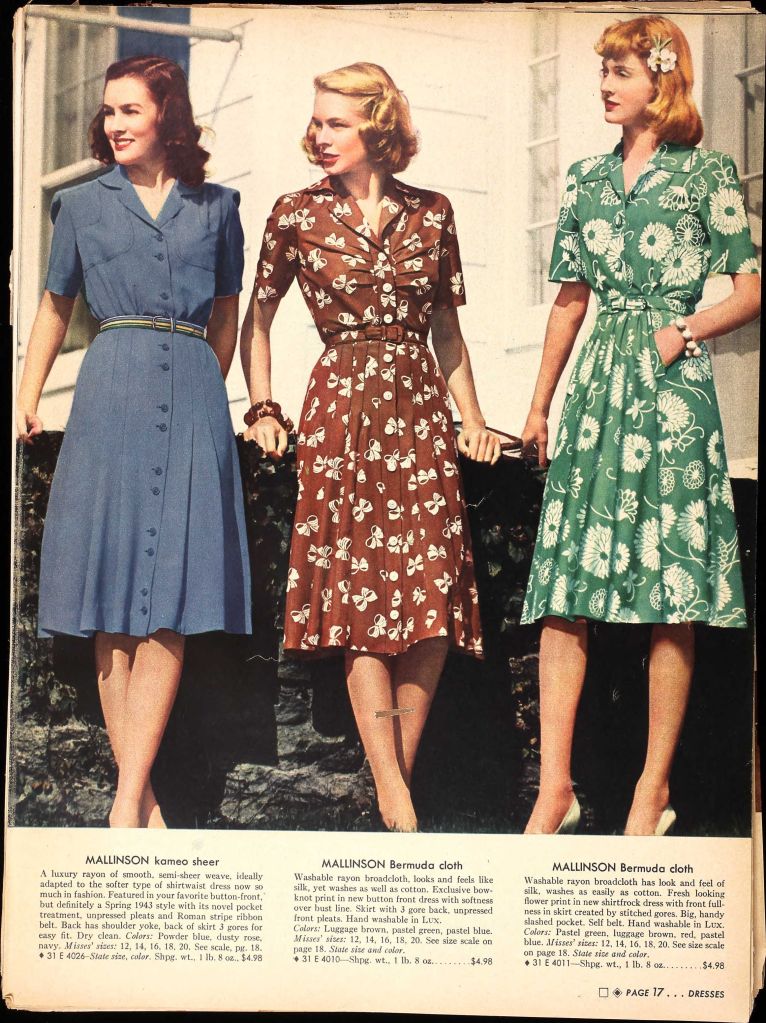
is a generic term for garments originating from a previous era. … Today vintage dressing encompasses choosing accessories, mixing vintage garments with new, as well as creating an ensemble of various styles and periods. Vintage clothes typically sell at low prices for high end named brands.

Grunge fashion:

is characterized by durable and timeless thrift-store (ukay-ukay), often worn in a loose,
androgynous manner to de-emphasize the silhouette. The style was popularized by music artists Kurt Cobain, and Pearl Jam.

Casual Fashion:

 is someone or something relaxed, occasional, not planned or informal. An example of casual clothing is jeans and a t-shirt. 

REFERENCE/S:

Tips to Upgrade your Clothing Style:

S U M M A R Y:

Fashion is a popular trend, especially in styles of dress and ornament or manners of behavior. It is also a popular aesthetic expression in a certain time and context, especially in clothing, footwear, lifestyle, accessories, makeup, hairstyle and body proportions. Helping others know their different of styles or fashion.

  1. Arrange your closet.

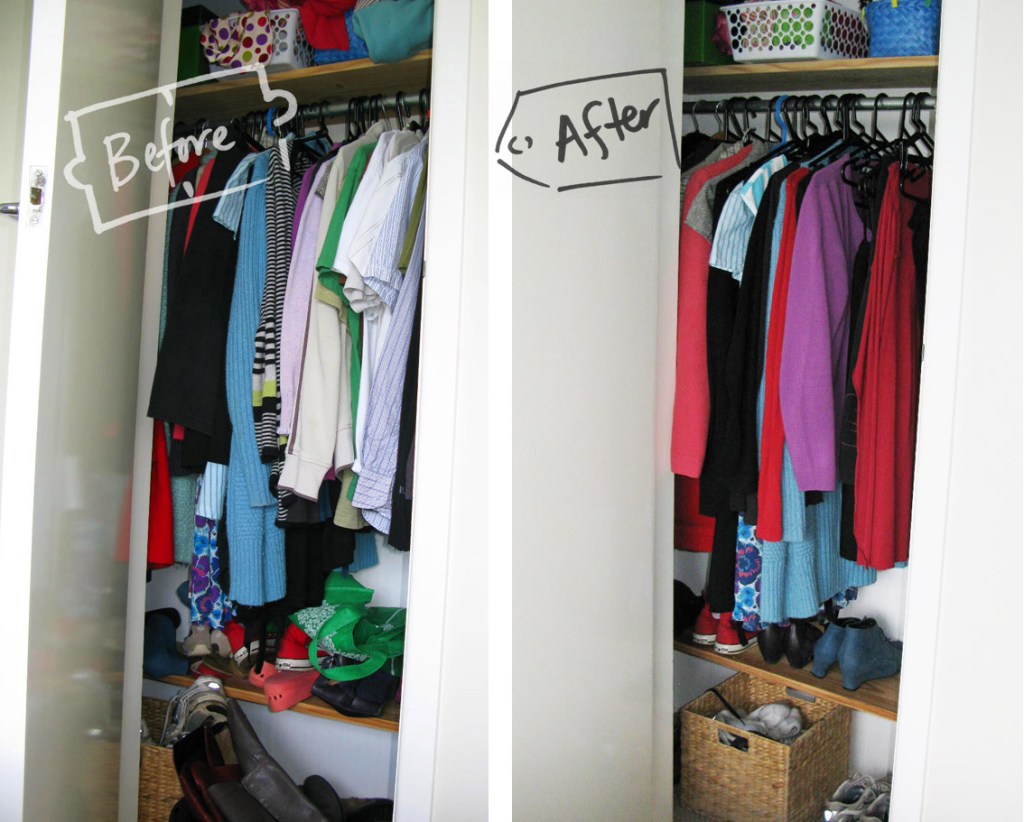
Maintaining an organized closet will always be an ongoing process. Keep like items with like items. Store all your belts in the same spot, hang your sundresses alongside each other, and keep your workout shirts separate from your pajamas.

2. Hang anything delicate, fancy, or sturdy.

Maybe you have enough space to hang every single T-shirt you own, but if you don’t, then stick with hanging the obvious stuff. That means delicate items like dresses, skirts, and lingerie, fancy items like suits, and sturdy, structured pieces like coats and blazers.

3. Use the “one in, one out” rule to keep your clothes collection in check.

This means that each time they bring something new into their closets, they need to let go of an existing item.   In some cases, this item must come from the same category as the new piece (a dress for a dress or a long-sleeved top for a long-sleeved top), but it can also just be one for one from any wardrobe area.

4. Declutter your clothes by category.

A fast, easy way to declutter your clothes is to sift through them by type. Tossing every piece of clothing you own into a massive fabric mountain on your bed is overwhelming and inefficient. Instead, separate your clothes into categories like pants, dresses, tops, outerwear, accessories, and undergarments. Then sort through every item in a single category before moving on to the next, If anything gives you reason to hesitate, toss it in a pile for donation.


R E F E R E N C E / S: